Root Canal Treatment: Complete Guide
Introduction
A root canal is a dental procedure used to treat infection within a tooth’s pulp. This treatment prevents tooth loss and alleviates pain. Despite its reputation, modern root canal therapy is relatively painless and highly effective in preserving natural teeth.
Understanding Root Canal Treatment
What is a Root Canal?
A root canal is a dental procedure that removes infected or damaged pulp from a tooth, cleans and disinfects the canals, and then seals them to prevent further infection.
Why is a Root Canal Needed?
Root Canal Treatment
Deep decay (cavities)- Repeated dental procedures on the same tooth
- Cracks or chips in the tooth
- Trauma to the tooth
Symptoms Indicating a Root Canal
- Persistent tooth pain
- Sensitivity to hot and cold temperatures
- Swollen gums near the affected tooth
- Darkening or discoloration of the tooth
- Pimple-like swelling on the gums
The Root Canal Procedure
1. Diagnosis and Examination
Your dentist or endodontist will take X-rays to assess the extent of the infection. They will also check symptoms and perform diagnostic tests.
2. Anesthesia
Local anesthesia is administered to numb the affected tooth and surrounding area, ensuring a painless experience.
3. Tooth Isolation
A rubber dam is placed around the tooth to keep it dry and free from saliva.
4. Access Opening
A small opening is made on the tooth’s surface to reach the infected pulp.
5. Pulp Removal
Infected pulp is carefully removed using specialized instruments, and the root canals are cleaned.
6. Disinfection
Antibacterial solutions are used to disinfect the root canals to eliminate bacteria.
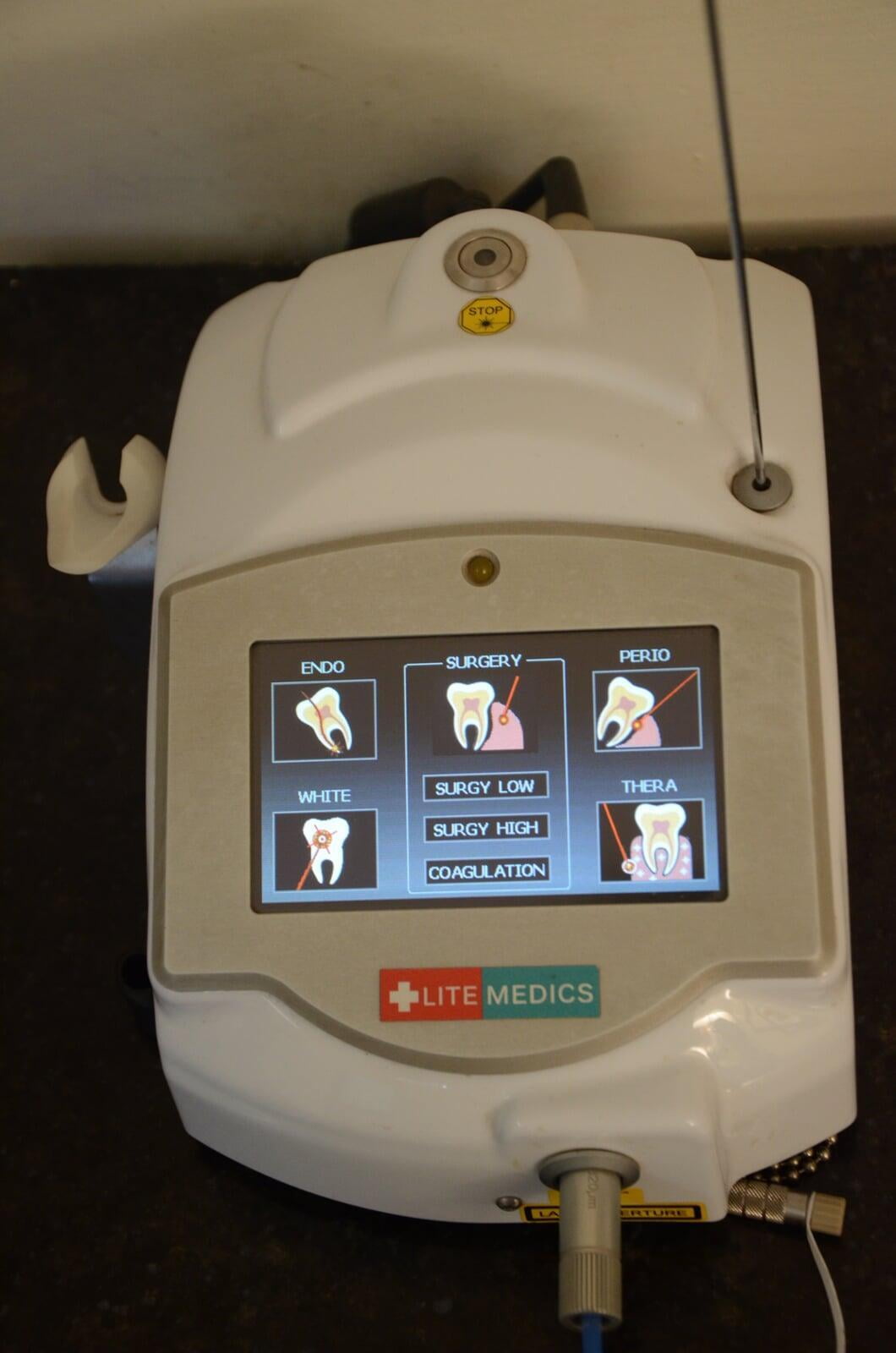 Laser Assisted Root Canal Treatment (RCT)7. Shaping the Canals
Laser Assisted Root Canal Treatment (RCT)The canals are shaped using small files to allow proper filling and sealing.
8. Filling the Canals
The cleaned and shaped canals are filled with a biocompatible material, typically gutta-percha, to prevent reinfection.
9. Sealing the Tooth
A temporary or permanent filling is placed over the access opening.
10. Final Restoration
A crown or filling is placed to restore the tooth’s function and appearance.
Post-Treatment Care
Immediate Aftercare
- Avoid eating until numbness wears off
- Take prescribed pain relievers or over-the-counter painkillers as needed
- Avoid chewing on the treated tooth until fully restored
Long-Term Care
- Maintain good oral hygiene (brushing, flossing, mouthwash)
- Regular dental check-ups and cleanings
- Avoid hard foods to prevent tooth fractures
Potential Risks and Complications
Common Side Effects
- Mild discomfort or sensitivity
- Temporary swelling
Rare Complications
- Reinfection due to incomplete cleaning or sealing
- Fracture of the treated tooth
- Instrument breakage within the canal
Alternatives to Root Canal Treatment
If a root canal is not an option, alternatives include:
- Tooth Extraction: Removing the affected tooth and replacing it with an implant, bridge, or denture.
- Pulp Capping: In cases where pulp exposure is minimal, this method helps protect the pulp without removal.
Root Canal vs. Tooth Extraction
- Root Canal: Saves the natural tooth, maintains bite function, and has a high success rate.
- Tooth Extraction: May be necessary for severely damaged teeth but requires additional treatments like implants or dentures.
Cost of Root Canal Treatment
The cost varies based on factors like location, complexity, and specialist fees. On average:
- Laser Disinfected Root Canal Therapy : ₹4500 for single tooth
Dental insurance may cover part of the cost.
Conclusion
Root canal treatment is a highly effective way to save a damaged tooth. With proper care, a treated tooth can last a lifetime. If you suspect an infection or have persistent tooth pain, consult a dentist promptly to discuss treatment options.